





Learning
Institutional Plan
School programs and practices need continuous improvement. At RISE, we have short-term and long-term plans to give direction to our school curriculum and improve the very structure of our institution.
Our institutional planning centers around giving creative freedom to teachers so that they bring innovative ideas to our educational program. Our institutional planning aims to think and plan to address various changes and industry dynamics so that students will be in sync with the qualitative improvements in education. All of this help improve the examination system, and the library needs to augment amenities or ramp up infrastructure.
Our teachers take various steps, like analysis, survey, and evaluation, to understand the best school practices and suggest improvement during the implementation stage.
Assembly Themes
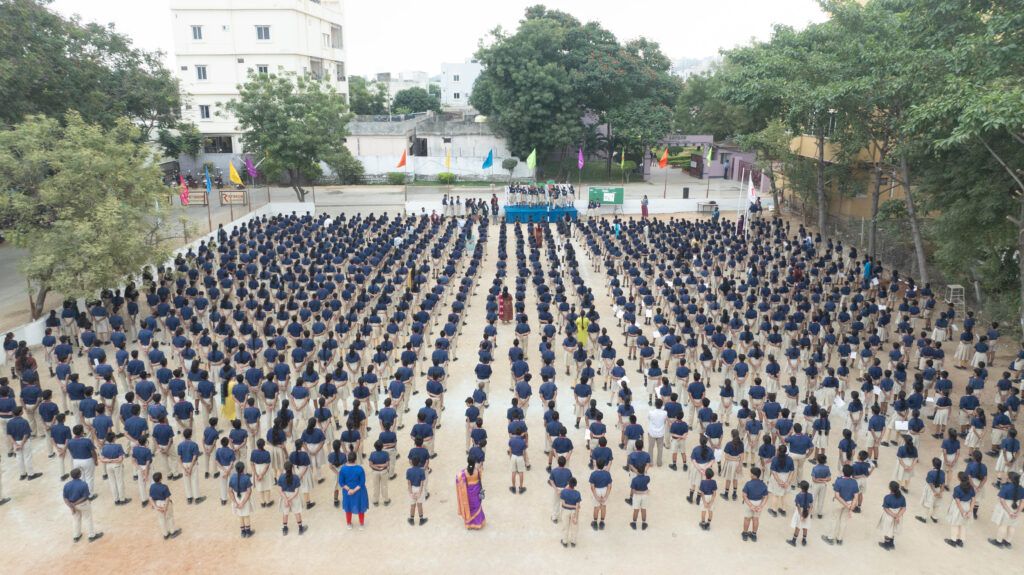
School assemblies are venues for the overall motivation of students and teachers. Therefore, during assemblies, it is essential to have imaginative themes to engage the students and align with the school’s vision and mission. At RISE, our management employs various motivational tools to inculcate a sense of responsibility among students.
Students need constant motivation. The most common themes at RISE include preserving nature, communication, and collaboration, time management, individual social responsibility, perseverance, setting career goals, etc. What we repeatedly perform becomes habits. At RISE, successful habits are sown at a young age to practice for the rest of their lives.
Assembly themes will also act as topics to deliver extempore speeches for students who become monitors and motivate the team members. At RISE, we ensure the parent community that their wards become future leaders.
Literary Activities
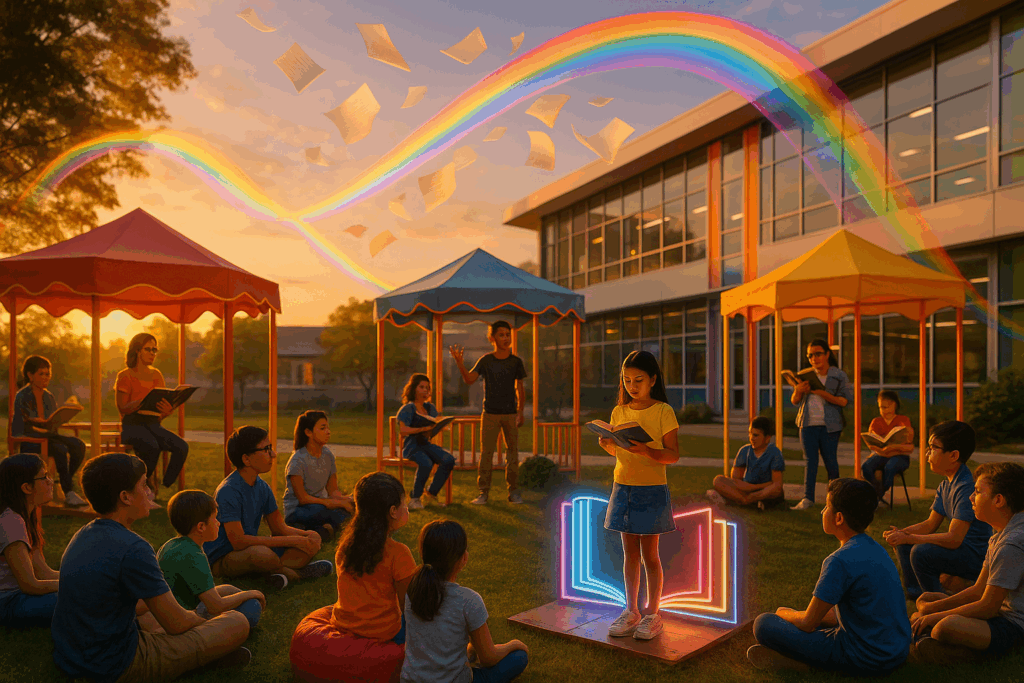
Scholarly activities are central to the name and fame of any kingdom. We see how nations built civilization through stories. In an educational organization like rising, we emphasize literary activities like essay completion, tests for short stories, poems, drawing, storytelling, writing, etc.
We encourage our students to recite a passage after listening to BBC news to understand the importance of communicating with an accent. Such exercises help them understand the relationship between letters and sounds. On and off, our language faculties give tests for English vocabulary, spelling, and comprehension so that they will feel easy to pass IELTS or TOEFL tests in the future.
As many professions call for English language proficiency to behave like natives, our literary activities will immensely benefit the students to pursue their higher education at home or abroad with confidence.
CCA Activities
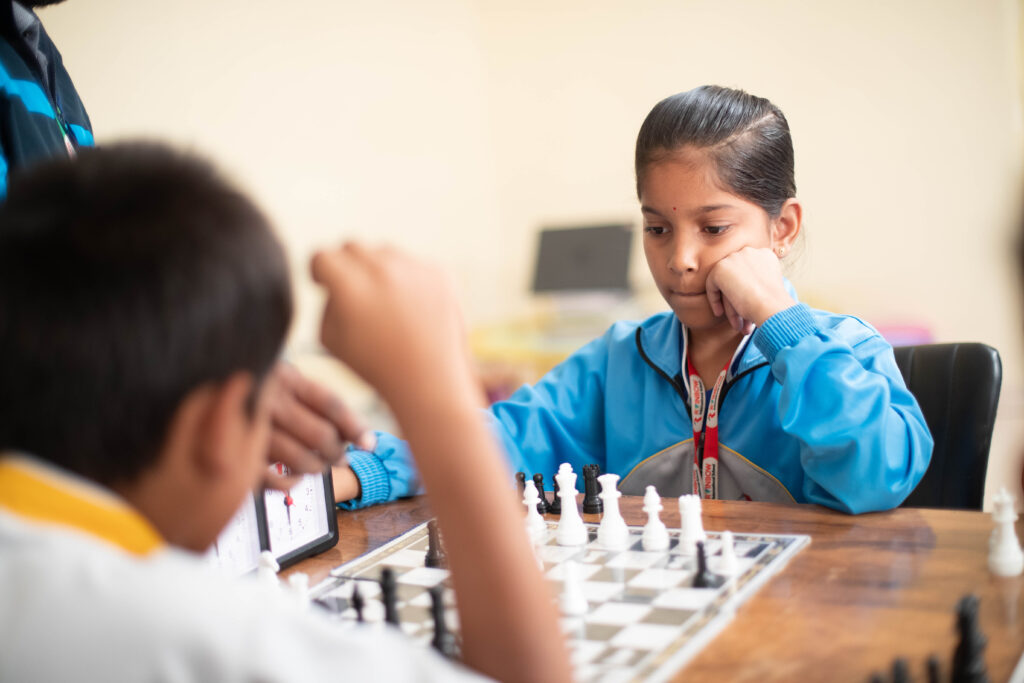
Co-curricular activities (CCA) play an essential role in the holistic growth of children. Students at RISE get a first-hand idea about CCA with our group activities like sports, wellness, yoga, visual arts, fine arts, dance, painting, sketching, sewing, building communities, and the like.
The whole intention behind CCA is to bring out the best talents of the child. Our faculties constantly monitor the children and help them find their call that will become career pathways in the future. For kids, CCA helps them develop leadership or managerial qualities to make informed decisions in a professional environment.
Research has proved CCA immensely benefit the students to apply their knowledge and skills in their various spheres of life, helps them develop new insights, and be productive in an organizational setup. It also helps quickly improve social skills, academic excellence, and a career.
Student-Centered Environment
A student-centered environment is vital for engaging the students’ topics and ways to learn the same. At RISE, we offer personalized coaching to students to come down to the level of every student. We use approaches like visual aids and videos to make the student understand every topic. Moreover, we help the students search the videos on each topic and make them watch the same, ask questions about what they understood, and ensure every student understands the subjects clearly.
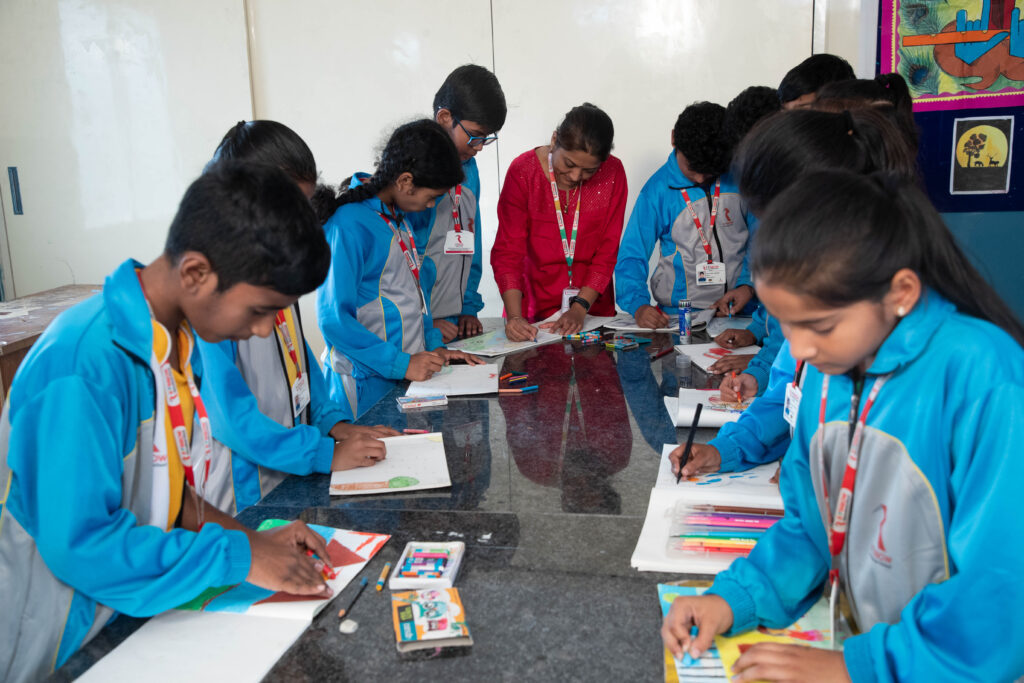
We also rearranged the desks and tables to build teams among the students, encourage them to collaborate, come out with what they understood and share it with others so that others agree, disagree, or pose questions. Besides, our teachers encourage the students to develop content with texts and visuals, conduct stage presentations, do role play, and solve a problem so there is no room for ambiguities.
Digital Learning
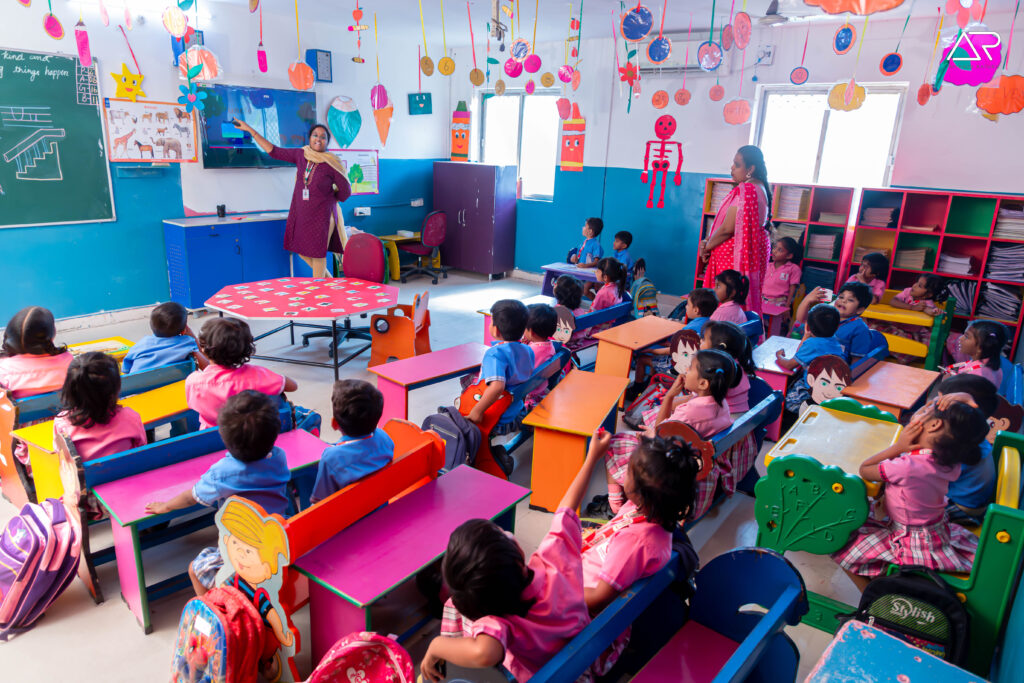
Digital learning plays a crucial role in shaping the future of education by integrating technology into the learning process. At our institution, we embrace a wide range of digital tools and platforms to enhance learning experiences. Through interactive lessons, online resources, and virtual classrooms, students develop critical thinking, problem-solving, and digital literacy skills that are essential for success in the modern world.
Digital learning not only allows for personalized learning experiences but also enables students to collaborate globally, access diverse resources, and develop self-paced learning habits. It helps bridge the gap between theoretical knowledge and real-world application, fostering creativity, innovation, and adaptability.
With digital learning, students can gain hands-on experience in emerging fields such as coding, robotics, and data analysis, preparing them for future career opportunities. The integration of technology into education also promotes lifelong learning, ensuring students are well-equipped to navigate the ever-evolving digital landscape of the future.
Practical Learning
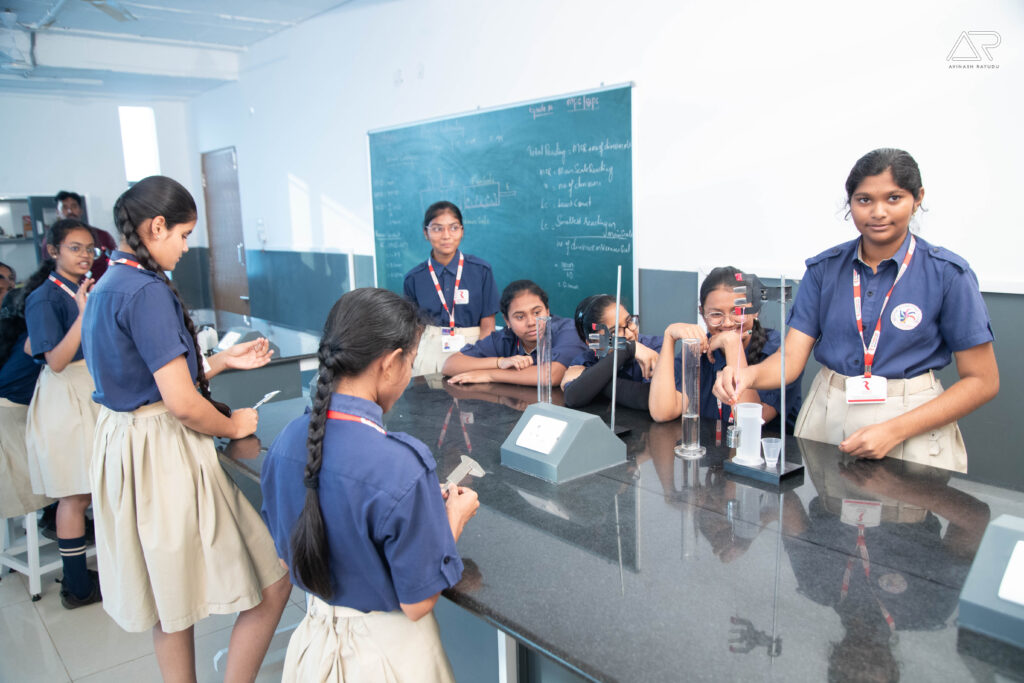
Practical learning is a key approach in fostering real-world skills and enhancing students’ understanding through hands-on experiences. By engaging in experiments, projects, and activities that simulate real-life situations, students develop critical thinking, problem-solving, and decision-making skills. This learning approach not only strengthens theoretical knowledge but also allows students to apply their learning in meaningful ways.
Practical learning encourages creativity, collaboration, and innovation, as students work on projects, case studies, and real-world challenges. It enhances their ability to think independently, adapt to various situations, and gain confidence in their skills.
Whether it’s through laboratory work, field trips, internships, or community involvement, practical learning prepares students for their future careers by developing the practical skills necessary for success in an ever-changing world.
Project Learning
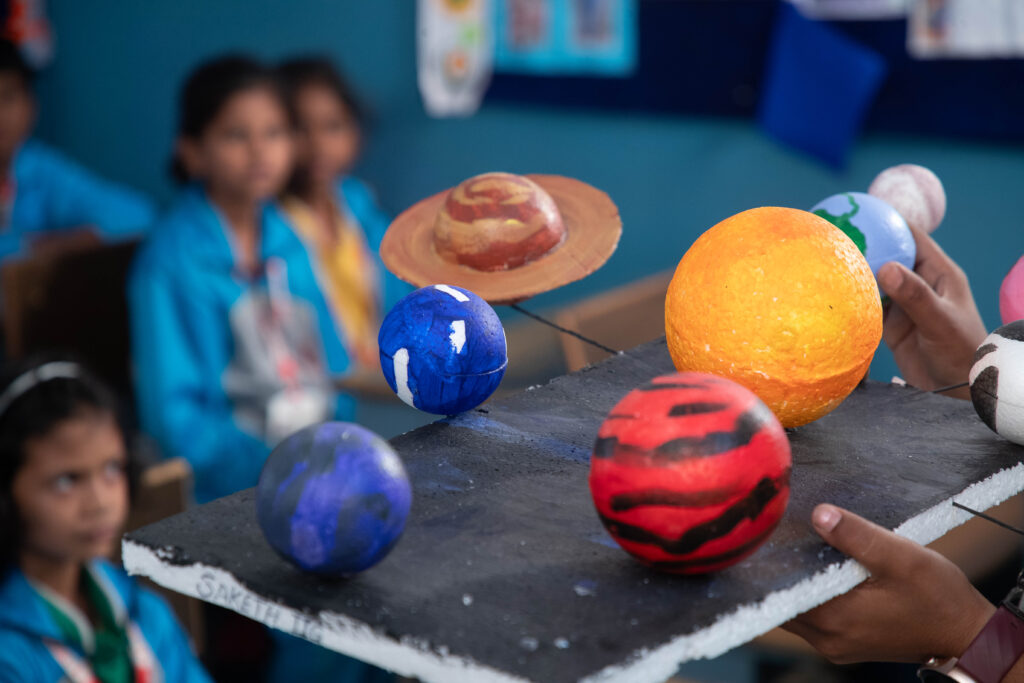
Project learning is an immersive educational approach that encourages students to apply their knowledge and skills to real-world challenges. Through research, planning, and execution, students gain hands-on experience while working on comprehensive projects that span multiple disciplines. This method fosters critical thinking, collaboration, and creativity as students tackle complex problems, develop solutions, and present their findings.
Project learning enhances problem-solving abilities, teamwork, and time management, while encouraging students to take ownership of their learning journey. It also helps students build communication and presentation skills, preparing them for future academic and professional endeavors. By working on projects, students develop a deeper understanding of concepts and their practical applications, making their learning more engaging and meaningful.